
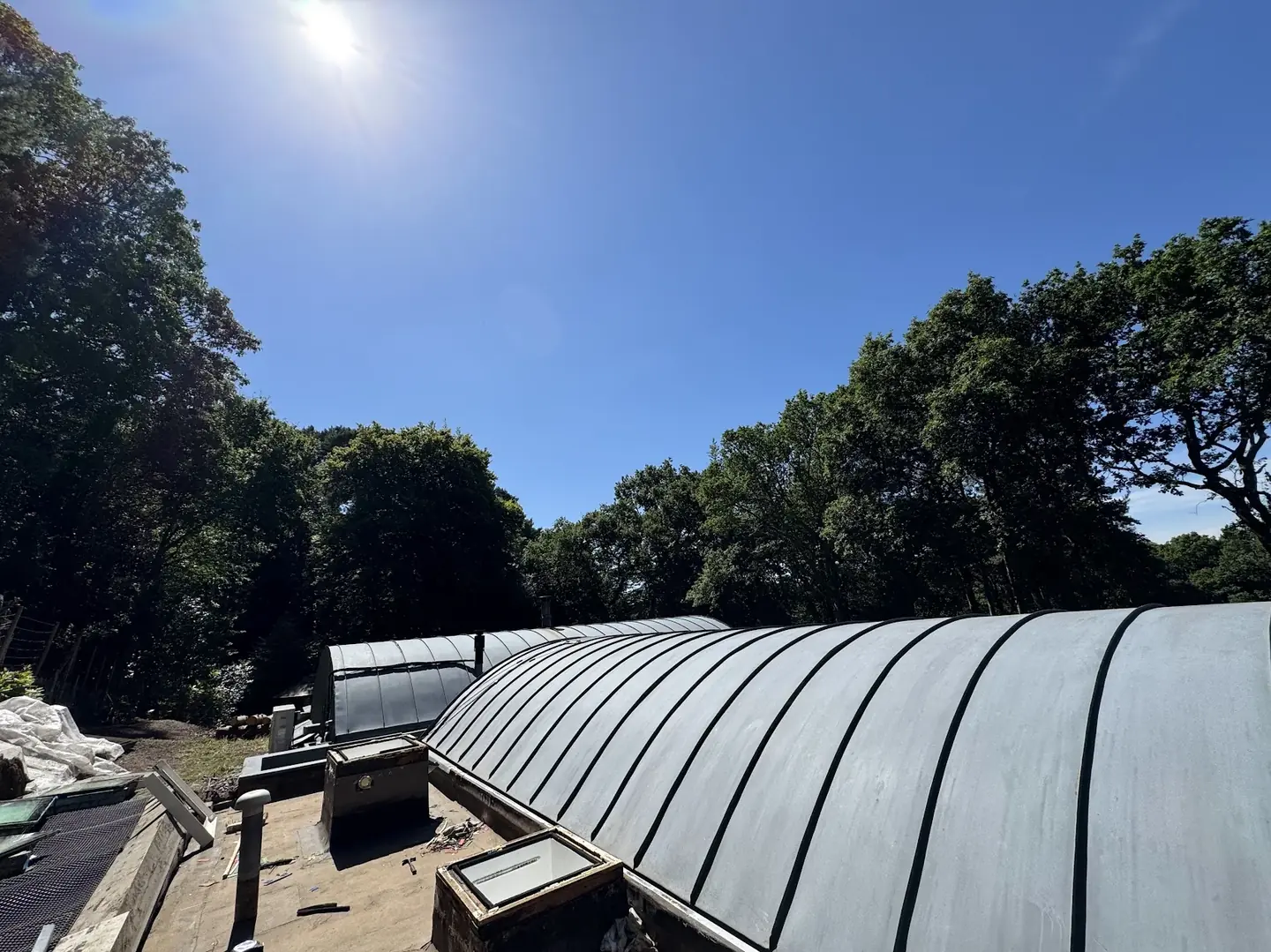
The answer to "how long does a roof last?" isn't straightforward — it depends on the material, the quality of installation, local climate, and how well it's maintained. In the UK, the average roof lasts 20-50 years depending on the type of roofing material used. Some premium materials like slate can last over a century, while others like felt flat roofs might need replacing every 10-15 years.
Understanding your roof's expected lifespan helps you plan for maintenance and replacement. It also helps you make informed decisions about whether to repair or replace when problems emerge. Let's break down the lifespan of every common UK roof type.
UK Roof Lifespan by Material
| Roof Type | Expected Lifespan | Notes |
|---|---|---|
| Natural Slate | 75-100+ years | Premium material, quarried from natural slate. Most durable option. Common in older Hampshire properties. |
| Clay Tiles | 50-100 years | Traditional and beautiful. Very durable. Common in period homes across Hampshire. |
| Concrete Tiles | 30-50 years | The most common in modern UK homes including Hampshire. Durable but less long-lasting than slate or clay. |
| Felt Flat Roofs | 10-15 years | Older technology. Poor durability. Prone to cracking and requires frequent maintenance and patching. |
| EPDM Rubber Flat Roofs | 20-30 years | Better than felt but not as durable as modern alternatives. Seams can be a weak point. |
| GRP Fibreglass Flat Roofs | 25-50+ years | Modern, seamless, low-maintenance. Best flat roof option for new installations. CMW specialise in GRP roofing. |
Natural Slate Roofing: 75-100+ Years
Natural slate is the premium choice for pitched roofs and offers exceptional longevity. Many UK homes with slate roofs installed over a century ago are still performing beautifully today. Slate is a quarried natural stone that's incredibly durable and weathers gracefully with age.
The challenge with slate? It's expensive to install and requires skilled craftspeople. Repairs can also be costly because slate tiles must be individually replaced. However, if you're fortunate enough to have a slate roof in good condition, you can expect it to protect your home for generations. Proper maintenance, including occasional tile replacement and flashing checks, ensures maximum lifespan.
Clay Tiles: 50-100 Years
Clay tiles are another traditional option that offers excellent durability. They're particularly common in older Hampshire properties and period homes. Like slate, clay tiles are beautiful, durable, and can last 50-100 years when properly maintained.
Clay tiles are less expensive than slate but more costly than concrete tiles. They're also heavier, so your roof structure needs to be able to support the weight. They're resistant to fading, rot, and pest damage, making them a low-maintenance choice for the long term. Many clay tile roofs installed 60-70 years ago are still providing excellent service.
Concrete Tiles: 30-50 Years
Concrete tiles are the most common roofing material in modern UK homes, including in Hampshire. They're affordable, durable, and come in a variety of colors and styles. A well-installed concrete tile roof should last 30-50 years, with many lasting toward the upper end of that range when properly maintained.
Concrete tiles can develop issues over time, particularly curling and cracking in older roofs. They may also develop moss or algae growth in damp UK climates. Regular gutter cleaning and moss treatment can extend their lifespan. When you start seeing cracked, curled, or missing tiles, especially if your roof is over 30 years old, replacement is often the more economical choice than continued repairs.
Felt Flat Roofs: 10-15 Years
Traditional felt flat roofs are built from layers of bitumen and felt. Unfortunately, felt is the most short-lived roofing material, typically lasting only 10-15 years before needing replacement. Many felt roofs fail even sooner if exposed to severe weather or UV damage.
Felt roofs require frequent maintenance and patching, and repair costs can accumulate quickly. If you have a felt flat roof on a garage, extension, or bay window, budget for replacement every 10-15 years. Modern alternatives like GRP and EPDM offer much better value over the long term.
EPDM Rubber Flat Roofs: 20-30 Years
EPDM (Ethylene Propylene Diene Monomer) rubber is a significant step up from felt, offering a lifespan of 20-30 years. EPDM roofs are flexible, resistant to weather, and require less maintenance than felt. They're a popular choice for residential and commercial flat roofs.
The main weakness of EPDM is that it has seams, and these seams are potential leak points if not properly sealed and maintained. Over time, seams can shift or deteriorate, leading to water penetration. For this reason, many homeowners are switching to seamless GRP roofing for better long-term protection.
GRP Fibreglass Flat Roofs: 25-50+ Years
GRP (Glass Reinforced Plastic) fibreglass is the modern gold standard for flat roofs. It's seamless, waterproof, and requires minimal maintenance. With proper installation and care, a GRP roof can last 25-50+ years — potentially longer than EPDM or felt alternatives.
GRP roofs are applied as a continuous coating with no seams, eliminating a major point of failure. They're UV resistant, walkable, and can accommodate foot traffic without damage. CMW Roofing specialise in GRP flat roofing and typically provide a 15-year guarantee on new installations. If you're replacing an old felt or EPDM roof, GRP is an excellent investment that will outlast the alternatives.
Factors That Affect Your Roof's Lifespan
The material is only one part of the equation. Several other factors influence how long your roof will actually last:
- Installation quality: A poorly installed roof won't last as long as a well-installed one, regardless of material. Always use qualified, experienced roofers.
- Maintenance: Regular maintenance — clearing gutters, removing moss, checking flashing — extends roof life significantly. Neglected roofs fail early.
- Ventilation: Poor loft ventilation traps moisture, leading to rot and premature failure. Ensure adequate ventilation for a long-lasting roof.
- Weather and climate: UK weather is harsh on roofs. Heavy rain, high winds, temperature fluctuations, and UV exposure all take their toll. Hampshire's coastal and damp climate particularly stresses roofing materials.
- Slope and drainage: Pitched roofs shed water more effectively than flat roofs. Flat roofs require excellent drainage to prevent water pooling and premature failure.
- Tree damage: Overhanging branches, fallen branches, and leaf litter contribute to damage and retain moisture on the roof surface.
Signs Your Roof Is Nearing the End of Its Life
Don't wait until your roof fails completely. Watch for these warning signs that your roof is approaching the end of its lifespan and needs replacement:
- Curling, cracked, or missing tiles
- Sagging or uneven roofline
- Repeated leaks or damp patches on ceilings
- Daylight visible through the roof in your loft
- Widespread moss or algae growth
- Roof age approaching or exceeding its expected lifespan
For detailed information about these warning signs, see our article on 5 warning signs your roof needs replacing.
Planning for Roof Replacement
Knowing your roof's expected lifespan helps you plan ahead. If you have a 20-year-old concrete tile roof, a 15-year-old felt flat roof, or any roof approaching the end of its expected life, start budgeting for replacement. Emergency roof replacement is expensive — planned replacement gives you time to get competitive quotes and choose the best option.
When it's time to replace your roof, remember that premium materials like slate or clay tiles, while more expensive upfront, can last 2-3 times longer than concrete tiles. For flat roofs, GRP fibreglass offers the best value over the long term, offering decades of protection with minimal maintenance.
Get a Professional Roof Survey
If you're unsure about your roof's age, condition, or remaining lifespan, a professional survey is the best investment. Our experienced roofers at CMW can assess your roof, identify any issues, and give you an honest estimate of how long it will last.
Contact us today for a free roof inspection and survey. We serve all of Hampshire and Southampton, and we can help you plan for maintenance, repairs, or replacement. Whether your roof needs a new roof installation or targeted repairs, we're here to help.