
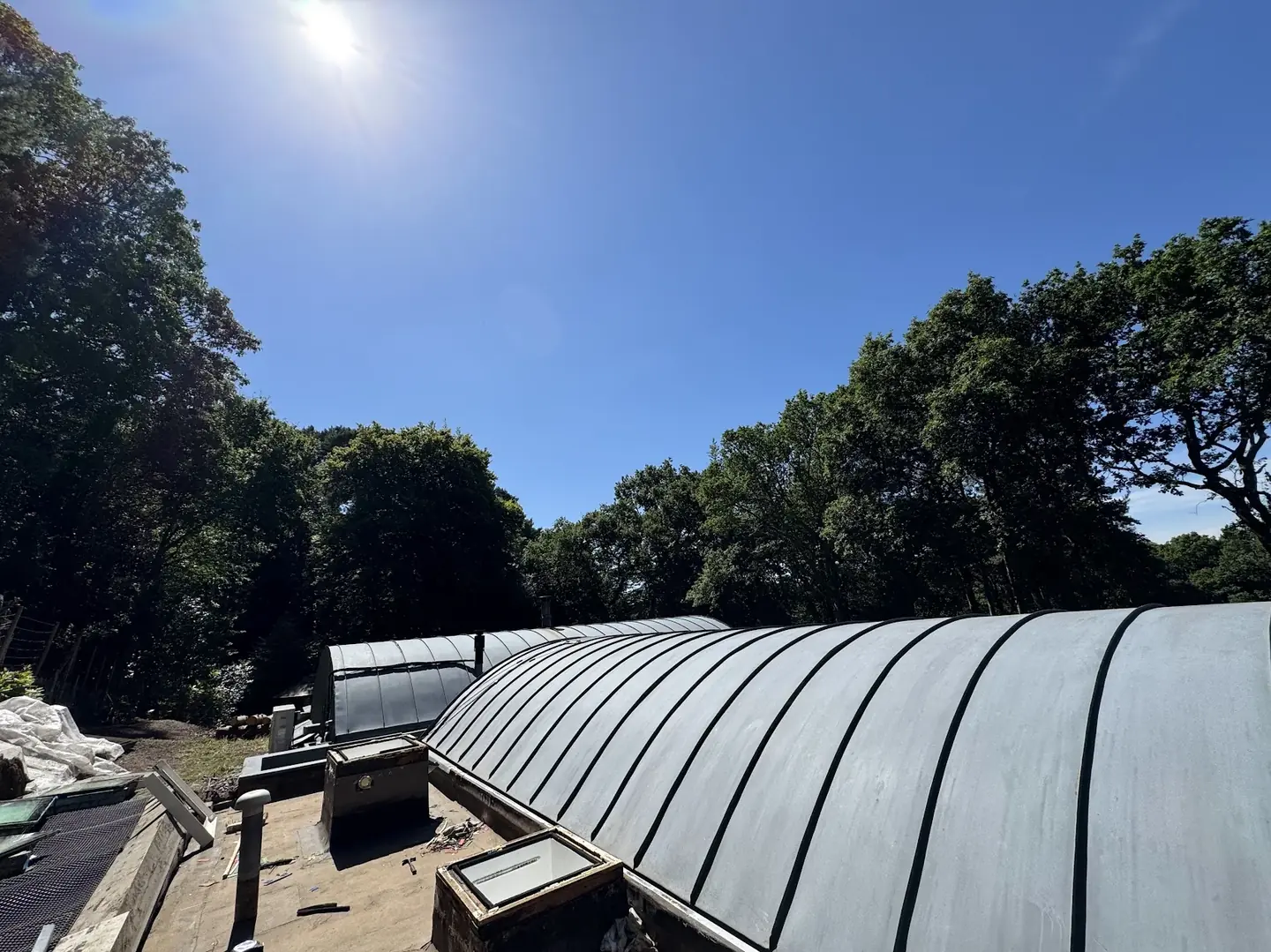
Prevention is always cheaper than cure, and roof maintenance is no exception. Many expensive roof repairs and premature replacements are preventable with regular, simple maintenance. Yet many homeowners neglect their roofs until problems become serious — and costly.
In this guide, our experienced Hampshire roofers share their top 10 roof maintenance tips that will help you keep your roof in excellent condition, spot problems early, and avoid expensive emergency repairs down the road.
1. Clear Your Gutters Twice a Year (Spring & Autumn)
Gutters are your roof's first line of defence against water damage. When gutters are clogged with leaves, twigs, and debris, water can't drain properly. Instead, it overflows and sits on your roof, gradually seeping into the structure below.
Make it a habit to clean your gutters twice yearly — ideally in spring after winter storms and in autumn after leaves fall. If you have overhanging trees, you might need to clean them more frequently. Many homeowners hire professionals for this task, which is safe and cost-effective. Spending £100-£200 on gutter cleaning prevents thousands in water damage.
2. Check for Missing or Slipped Tiles After Storms
After heavy storms, high winds, or significant weather events, take time to inspect your roof for damage. From ground level with binoculars, look for:
- Missing tiles or slates
- Cracked or broken tiles
- Tiles that have slipped or shifted
- Damaged flashing around chimneys or vents
If you spot damage, call a roofer immediately. A missing tile might seem minor, but it's an open door for water to enter your roof structure. A quick repair now (often under £100) prevents costly water damage and rot that could cost thousands to fix.
3. Keep Trees Trimmed Away from Your Roof
Overhanging tree branches are a common cause of roof damage. Branches rub against tiles, causing them to crack. Heavy branches can break tiles outright. More subtly, fallen leaves and debris collect on your roof, trapping moisture and promoting moss and algae growth.
Trim branches back so they're at least 6 feet away from your roof. This prevents both direct damage and the accumulation of debris. It also improves airflow across your roof, helping it dry faster after rain and reducing moisture-related problems.
4. Check Your Loft After Heavy Rain
The best time to spot leaks is when it's raining — or immediately after. Go into your loft during or just after heavy rain and look for water staining, drips, or damp patches. If you can see water coming in, mark the location and have it inspected by a roofer.
Even small leaks need attention. Water damage spreads quickly, saturating insulation and rotting wooden beams. A leak that's a minor annoyance today can become a £5,000+ repair tomorrow. Quick action pays dividends.
5. Don't Walk on Your Roof Without Professional Help
We see it regularly: homeowners trying to save money by accessing their own roofs, only to cause damage that costs far more to repair. Roof tiles are fragile and break easily under foot traffic. Flashing can be displaced. Modern tiles have coatings that protect them from weather — walking on them damages these protective coatings.
More importantly, roof access is dangerous. Slips and falls from roofs cause serious injuries. Unless you're a trained professional with proper safety equipment, stay off your roof. When you need roof inspection or maintenance, hire a qualified roofer with insurance and safety training.
6. Inspect Lead Flashing Around Chimneys and Dormers Annually
Lead flashing around chimneys, dormers, and vents is designed to channel water away from gaps where the roof meets these features. Over time, flashing can crack, separate, or corrode. When flashing fails, water penetrates these vulnerable joints, leading to serious water damage inside your home.
Once yearly, inspect visible flashing from ground level using binoculars. Look for cracks, gaps, or separation. If you spot damage, have a roofer inspect it professionally. Many flashing repairs are straightforward and inexpensive if caught early, but become serious and costly if ignored.
7. Ensure Adequate Loft Ventilation
Your loft needs proper ventilation to allow moisture to escape. When lofts are poorly ventilated, condensation builds up — especially in winter when warm air from below meets cold air in the loft. This trapped moisture promotes rot, mold, and algae growth on your roof.
Check that your loft has adequate ventilation. Look for air vents near the eaves and roof ridge. If your loft feels damp, or if you notice condensation on beams, ventilation may be inadequate. This is a job for a professional roofer or surveyor who can assess your loft and recommend improvements.
8. Watch for Moss and Algae Growth — Clean If Present
Hampshire's damp climate encourages moss and algae growth on roofs. While a bit of green growth looks harmless, it's actually damaging. Moss traps moisture against your tiles, accelerating wear. The moisture underneath lifts and cracks tiles, creating access points for water.
If you notice moss or algae growth, have it professionally removed. Don't pressure wash your roof — this damages tiles. Professionals use appropriate cleaning methods that remove growth without harming your roof. Prevention is also key: keep gutters clean, trim overhanging branches, and ensure good loft ventilation to keep your roof drier.
9. Have a Professional Roof Inspection Every 5 Years (or After Major Storms)
Your roof is one of your home's most important assets, yet many homeowners don't have it professionally inspected until problems are obvious. By then, damage is often extensive and expensive.
Schedule a professional roof inspection every 5 years. A qualified roofer can access your roof safely, spot hidden damage, check flashing, assess tile condition, and identify maintenance needs. After major storms, have an inspection to ensure no damage occurred. The cost of inspection (typically £150-£300) is insignificant compared to the cost of water damage and rot that early inspection can prevent.
10. Act Quickly on Small Repairs — Don't Delay
This is perhaps the most important tip. When you spot a problem — a cracked tile, a leak, damaged flashing — don't put it off. Small problems grow fast.
A single cracked tile might seem minor, but if left unfixed, water seeps behind it, rotting beams and insulation. A small leak in your loft can spread to adjacent areas, promoting mold growth and structural damage. Damaged flashing exposes vulnerable joints to water infiltration.
Get quotes from qualified roofers promptly and arrange repairs before problems escalate. Many repairs can be done quickly and affordably. The cost of swift action is always less than the cost of ignoring problems and dealing with major damage later.
Make Roof Maintenance a Priority
Your roof protects everything inside your home. Yet it's easy to forget about until something goes wrong. By following these 10 maintenance tips, you'll keep your roof in excellent condition, catch problems early, and avoid expensive emergency repairs.
Remember: prevention is always cheaper than cure. A few hours and minimal cost spent on maintenance today can save you thousands in repairs tomorrow.
Need Professional Help?
If you'd like a professional assessment of your roof's condition, CMW Roofing offers free inspections across Hampshire and Southampton. We can identify maintenance needs, spot hidden problems, and recommend repairs or upgrades to keep your roof performing optimally.
Whether you need roof repairs, gutter work, chimney repairs, or a complete roof survey, we're here to help. Contact us today for a free inspection — let's keep your roof in top condition.